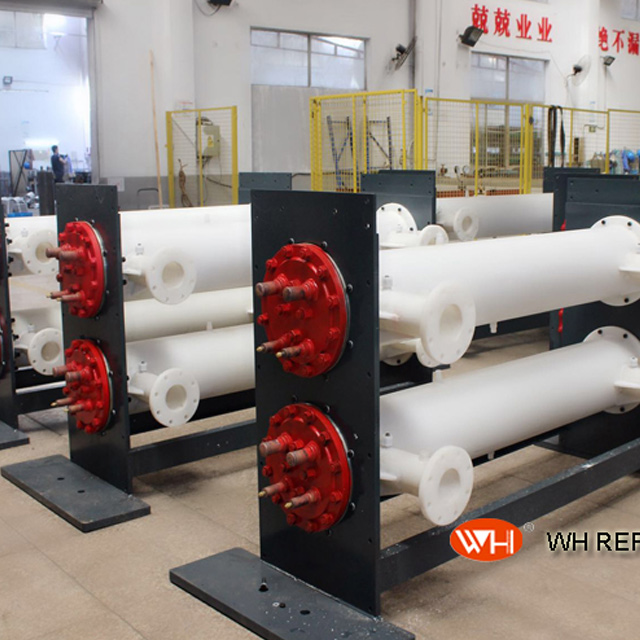
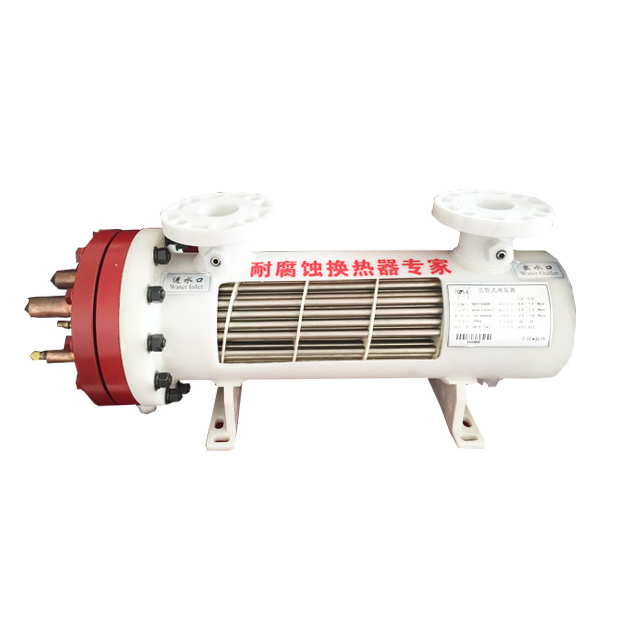
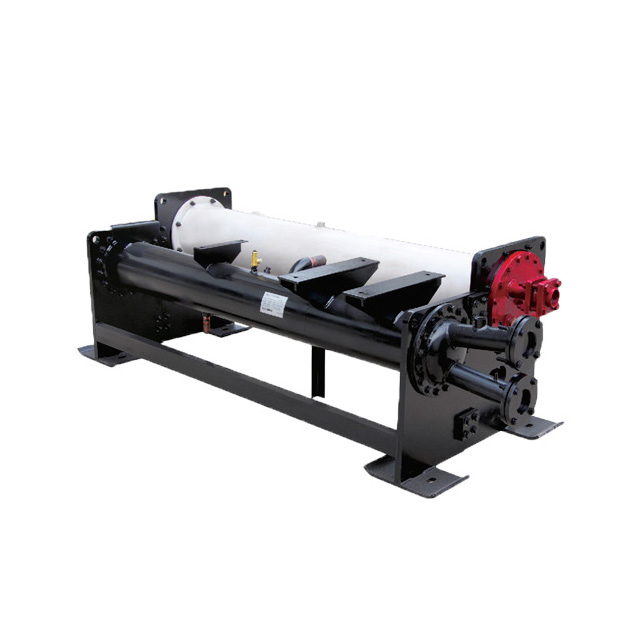
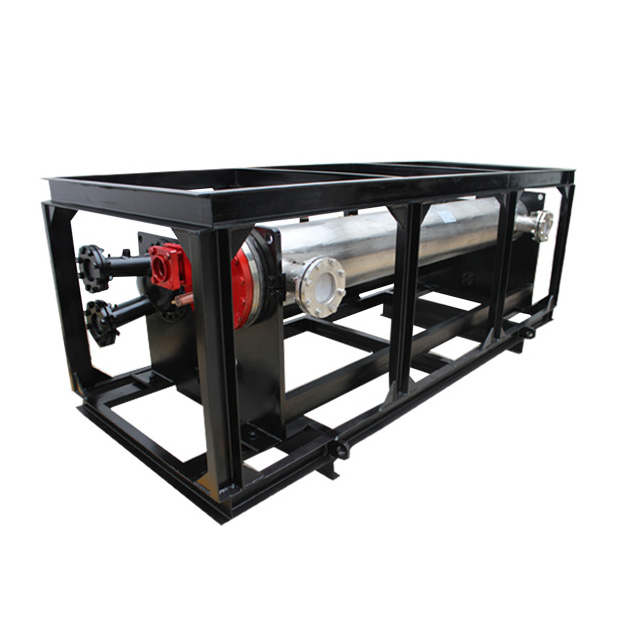
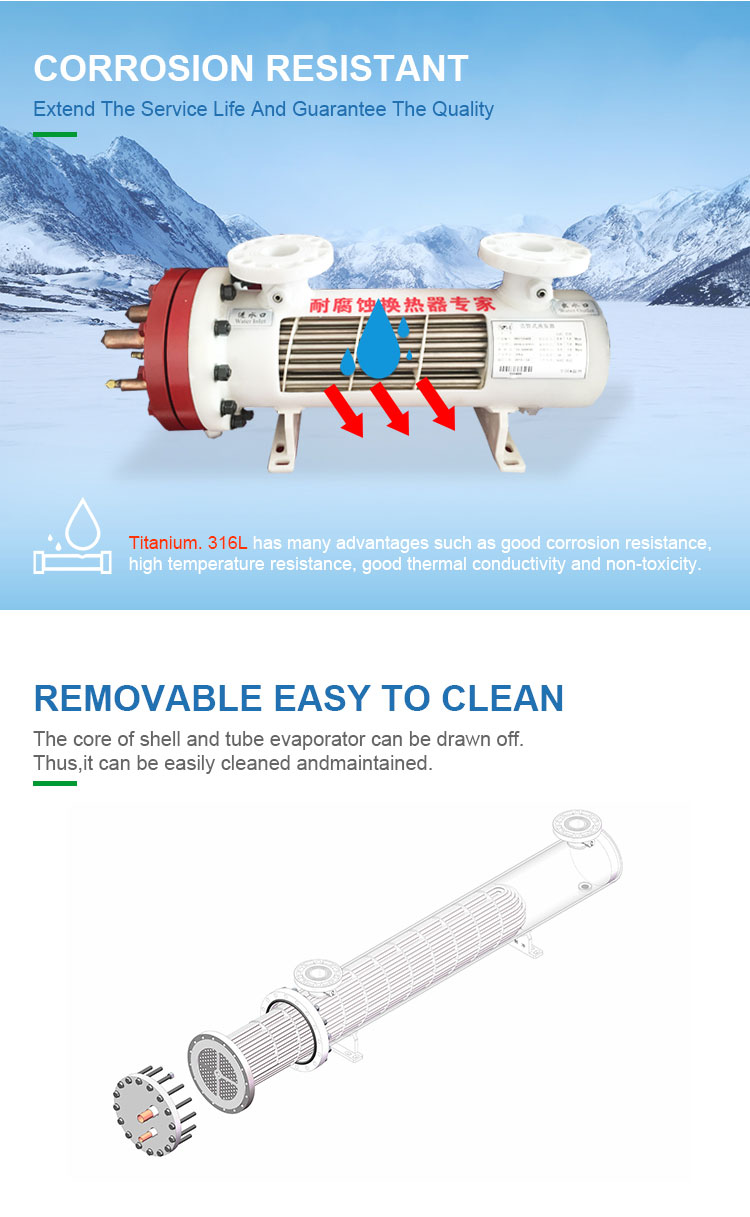
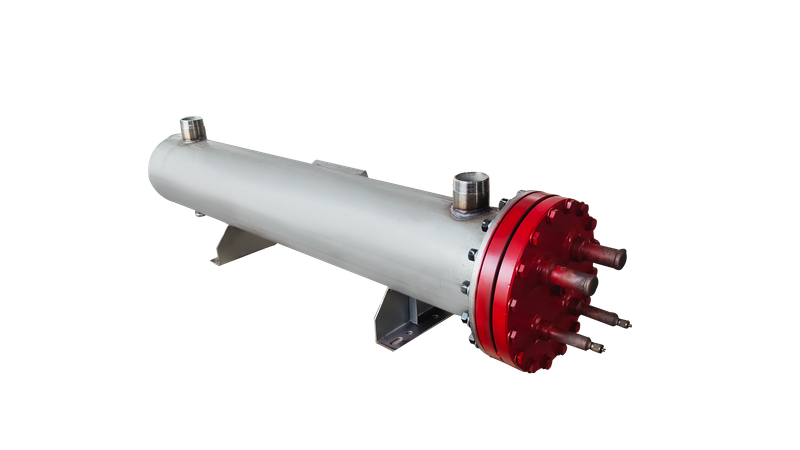
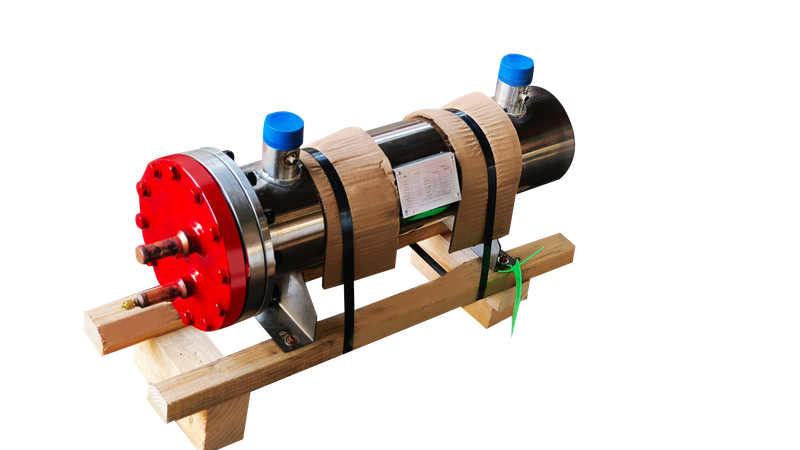
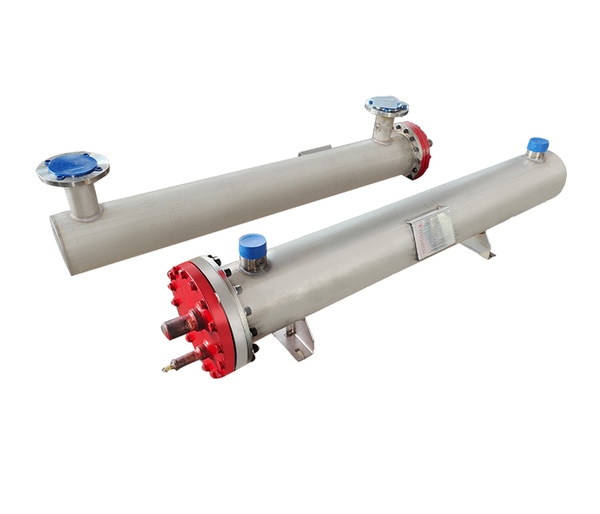
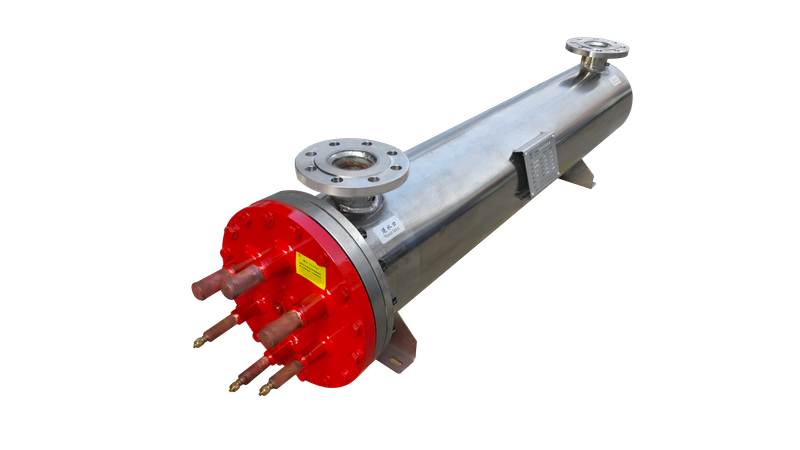
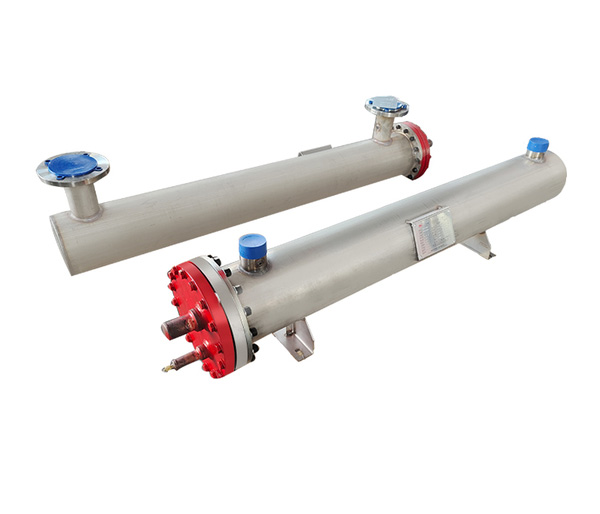
Shell and tube titanium evaporator has the super strong corrosion resistant ability. Our titanium heat exchanger use seamless pure titanium tube and PP shell can ensure the titanium heat exchanger can be used for a long time, without any cost in the after-sale services.







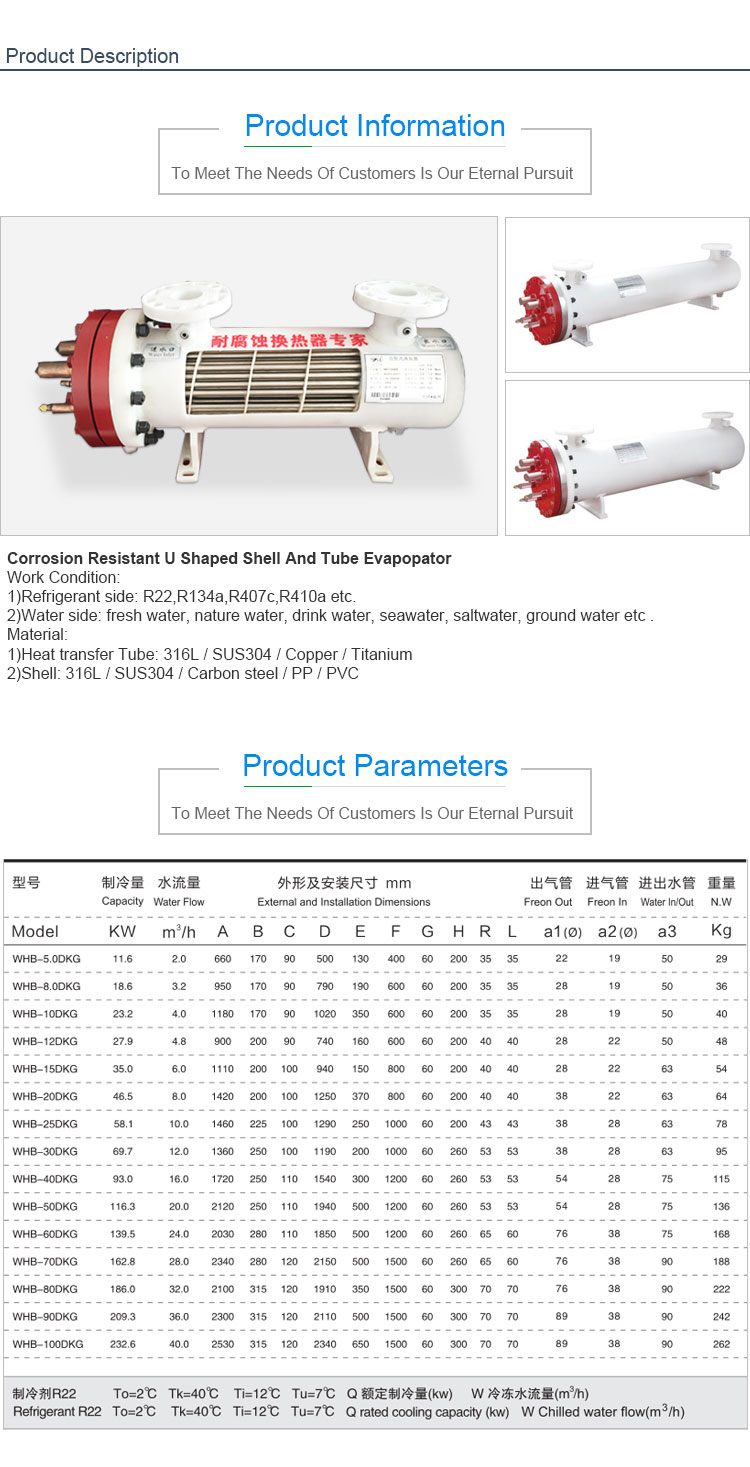
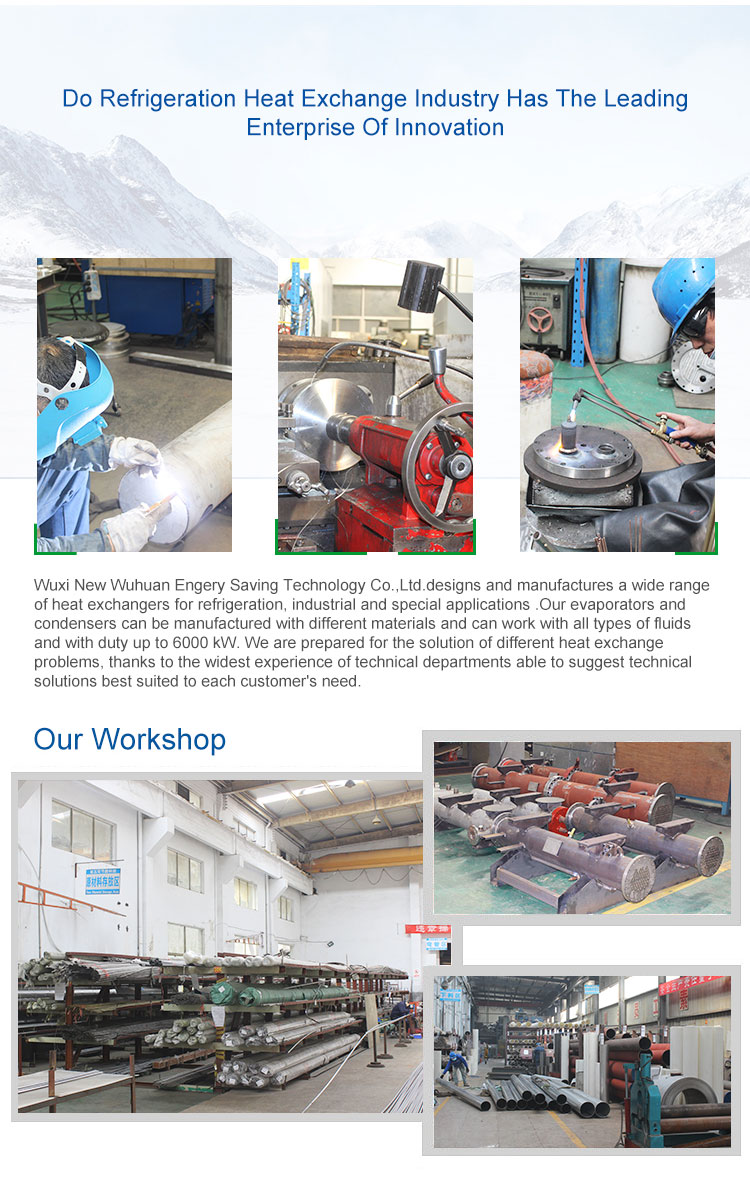
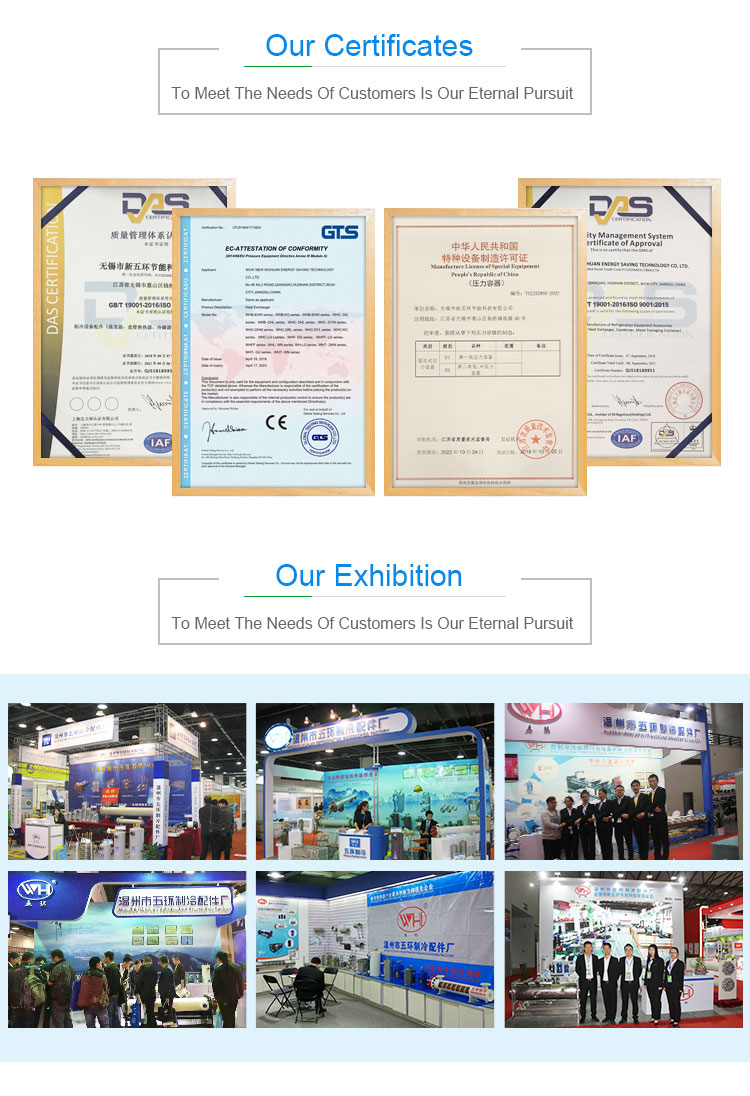

Evaporators are an essential component of any industrial process that involves condensing, heating and cooling liquid. Since the 1990s, titanium has been increasingly used in evaporators due to its superior properties and cost efficiency. If you’re looking for a reliable and effective evaporator for your industrial process, the shell and tube titanium evaporator is a great option. This blog post will discuss the advantages of using this type of evaporator, as well as how it works and some tips on choosing the right one for your needs.
There
are many reasons to choose a Shell and Tube Titanium Evaporator over
other types of evaporators. Here are some key advantages:
1.
Increased Efficiency: Shell and Tube Titanium Evaporators offer
increased efficiency due to their unique design. The titanium tubes used
in these evaporators are much more conductive than other materials,
which means they can transfer heat more effectively. This results in
quicker and more efficient evaporation, which can save you time and
money.
2. Durability: The titanium tubes used in Shell and Tube
Titanium Evaporators are incredibly durable. They are resistant to
corrosion and wear, meaning they will last longer than other types of
evaporator. This makes them a great investment for any business or home.
3.
Cost-Effectiveness: Shell and Tube Titanium Evaporators are very
cost-effective. Their initial purchase price may be higher than other
types of evaporator, but their long-term savings will more than make up
for it. These evaporators also have low maintenance costs, so you'll
save even more money in the long run.
Titanium
is a chemical element with the symbol Ti and atomic number 22. It is a
lustrous transition metal with a silver color, low density, and high
strength. Titanium is resistant to corrosion in sea water, aqua regia,
and chlorine.
Titanium was discovered in Cornwall, Great Britain,
by William Gregor in 1791 and was named by Martin Heinrich Klaproth
after the Titans of Greek mythology. The discovery of titanium coincided
with the Industrial Revolution, which greatly increased its use across
various industries.
Today, titanium is used extensively in
aircraft and spacecraft construction due to its high strength-to-weight
ratio. It is also used in golf clubs, bicycles, crutches, prosthetic
devices, and many other applications where lightness and corrosion
resistance are required.
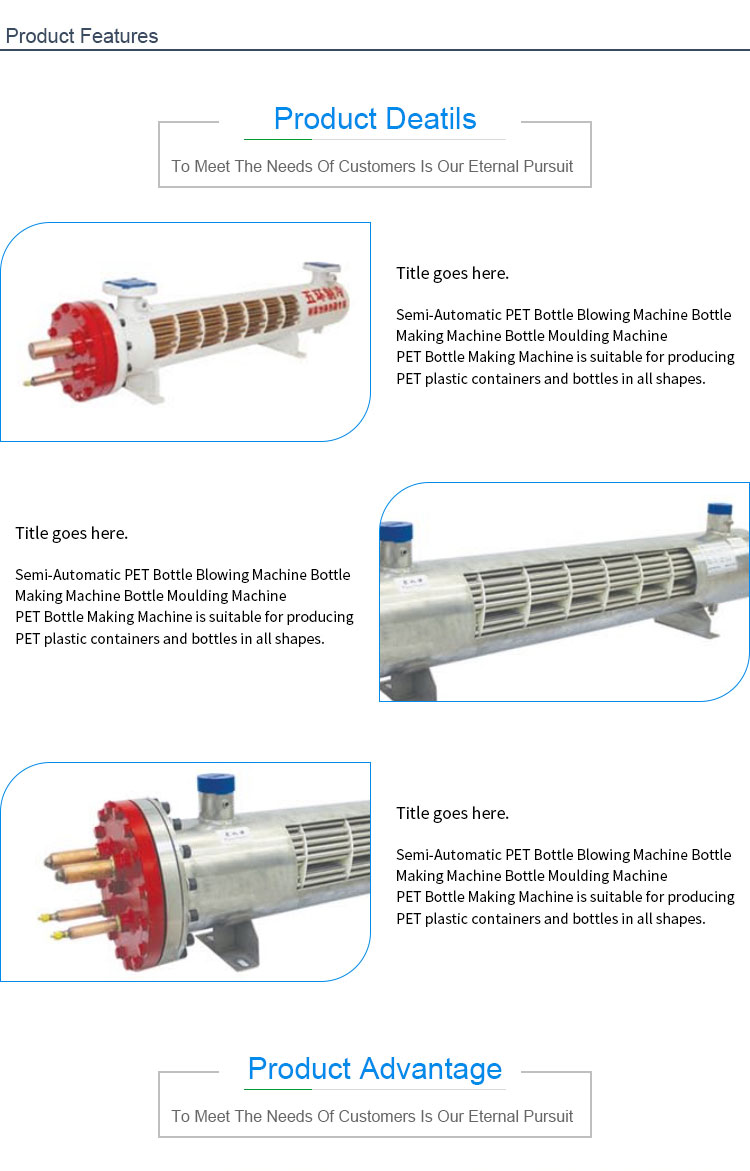
Shell And Tube Titanium Evaporator Technical Parameters:
Shell
and tube titanium evaporators are a type of heat exchanger that is
commonly used in industrial settings. There are a variety of different
ways that these evaporators can be used, depending on the specific needs
of the industry. Some of the most common uses for shell and tube
titanium evaporators include:
- Heat Exchange: Shell and tube
titanium evaporators are commonly used in heat exchange applications.
This is because they are able to effectively transfer heat from one
fluid to another. This can be useful in a variety of industries, such as
food processing or chemical manufacturing.
- Evaporation:
Another common use for shell and tube titanium evaporators is
evaporation. This process involves using the evaporator to remove water
vapor from a liquid. This can be useful in industries such as power
generation or desalination.
- Condensation: In some cases, shell
and tube titanium evaporators can also be used for condensation. This
process involves using the evaporator to remove water vapor from a gas.
This can be useful in industries such as HVAC or refrigeration.
To ensure optimal performance of your Shell and Tube Titanium Evaporator, please follow the operating guidelines below:
1. Prior to operation, make sure all connections are properly tightened and that there is no leakage.
2. Fill the unit with the appropriate amount of working fluid.
3. Start heating the unit gradually to avoid thermal shocks.
4. Once the desired temperature is reached, maintain it by properly regulating the heat input.
5.
When finished, shut down the unit in the reverse order of startup
procedure. Make sure to properly clean and store the unit for future
use.
Product videos are a great way to learn about a new product or technology. They can also be very helpful in making purchasing decisions. In this Shell and Tube Titanium Evaporator video, we will take a look at the features and benefits of this type of evaporator. We will also see how it works and how it can be used in different industries.
1. What are the different types of evaporators?
There
are three main types of evaporators: shell and tube, plate and frame,
and falling film. Shell and tube evaporators are the most common type
used in industrial applications. They consist of a series of tubes that
the liquid to be evaporated flows through, with a heating element
surrounding the tubes. Plate and frame evaporators are similar to shell
and tube evaporators, but they use plates instead of tubes to separate
the heating element from the liquid. Falling film evaporators are used
when a very large surface area is needed for evaporation, such as in
food processing or pharmaceutical manufacturing.
2. What factors should be considered when choosing an evaporator?
There
are several factors that should be considered when choosing an
evaporator, such as the type of fluid to be processed, the desired
evaporation rate, the operating temperature and pressure, and the
available space. Other considerations include whether the system will be
used for batch or continuous operation, and whether automatic controls
are required.
3. How does a shell and tube titanium evaporator work?
Shell
and tube titanium evaporators work by passing the liquid to be
processed through a series of tubes, with a heating element surrounding
the tubes. The heat from the element causes the liquid to vaporize,
which is then collected in an external condenser. The advantage of using
titanium for the construction of shell and tube evaporators is that it
is corrosion





 English